Technology for Hybrid Meetings A Comprehensive Guide
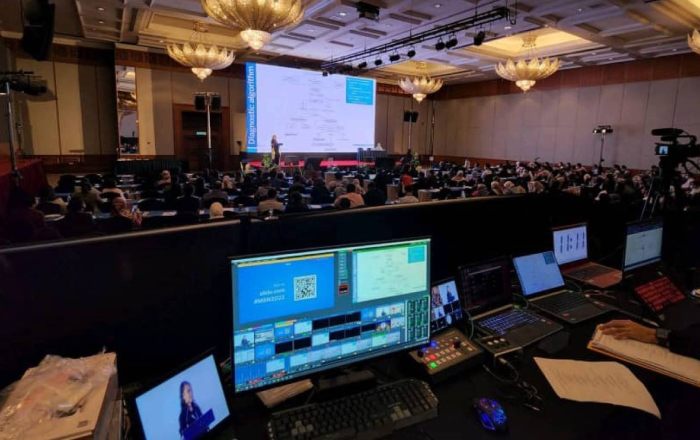
Technology for hybrid meetings is rapidly evolving, transforming how we connect and collaborate. This guide explores the multifaceted world of hybrid meetings, from defining the concept and outlining different types to examining the key technologies and strategies for engagement and addressing potential technical hurdles. We will delve into the planning and management aspects and conclude with a glimpse into the future of hybrid meeting technologies.
Hybrid meetings, blending in-person and remote participants, are becoming increasingly common. Understanding the nuances of these meetings, from the tools employed to the strategies for success, is crucial for seamless and productive interactions. This exploration will cover essential elements, providing a practical framework for leveraging technology to foster dynamic and effective hybrid meetings.
Defining Hybrid Meetings
Hybrid meetings are a blend of in-person and virtual participation, accommodating individuals in both physical and remote locations. This approach offers a flexible solution for conducting meetings, allowing wider participation and potentially reducing travel costs. This dynamic format is becoming increasingly prevalent across various industries and organizational settings.
Hybrid meetings are characterized by a shared objective, but they often differ in their format and the technology used to facilitate communication between remote and in-person participants. The specific features of a hybrid meeting can vary based on the context, including the type of meeting and the needs of the attendees.
Definition and Characteristics

Hybrid meetings represent a significant shift in how businesses and organizations conduct collaborative activities. They are designed to facilitate communication and collaboration between participants regardless of their physical location. This means enabling real-time interaction and information sharing between individuals in a physical space and those participating remotely. This flexible format provides increased accessibility and engagement compared to solely in-person or solely virtual meetings.
Types of Hybrid Meetings
Various types of meetings can be conducted using a hybrid format. All-hands meetings, project meetings, and training sessions are all prime examples of situations where hybrid meetings can prove valuable.
- All-hands meetings: These typically involve communication of company updates, strategic plans, or announcements to all employees. A hybrid format allows employees in different locations to stay informed and engaged in the same meeting.
- Project meetings: In a project meeting, a hybrid setup allows project teams scattered across multiple locations to collaborate effectively on tasks, make progress reports, and solve problems in real time.
- Training sessions: Hybrid training sessions offer a balance of in-person instruction for hands-on learning and virtual access for participants in remote locations. This format provides more flexibility for participants while maintaining high engagement levels.
Differences Between In-Person and Hybrid Meetings
In-person meetings offer the benefit of face-to-face interaction, allowing for nonverbal cues and spontaneous discussions. However, in-person meetings often require travel and are limited by the physical location. Hybrid meetings, on the other hand, leverage technology to overcome geographical barriers, enabling participation from anywhere with an internet connection.
- Flexibility and accessibility: Hybrid meetings enhance flexibility by removing geographical limitations. This is particularly advantageous for geographically dispersed teams and organizations.
- Cost savings: Hybrid meetings can often reduce travel expenses associated with in-person meetings, leading to significant financial savings for organizations.
- Increased participation: A hybrid approach allows individuals who may not be able to attend in person to participate, potentially increasing overall engagement and representation.
Evolving Needs and Expectations of Participants
Participants in hybrid meetings increasingly expect a seamless and engaging experience, mirroring the quality of in-person meetings. This includes clear communication channels, high-quality audio and video, and intuitive interaction tools. Moreover, hybrid meeting participants often require easy access to meeting materials and recordings for later reference.
Comparison of In-Person and Hybrid Meetings
| Aspect | In-Person Meeting | Hybrid Meeting |
|---|---|---|
| Cost | Higher (travel, venue rental) | Potentially lower (reduced travel costs) |
| Accessibility | Limited to those physically present | Wider range of participants |
| Engagement | High, due to face-to-face interaction | High, with effective technology implementation |
| Efficiency | Can be efficient if managed well | Potentially more efficient, especially for geographically dispersed teams |
| Environmental Impact | Higher carbon footprint due to travel | Potentially lower carbon footprint |
Technology Tools for Hybrid Meetings
Hybrid meetings have become increasingly common, demanding robust technology to facilitate effective communication and collaboration across different locations. This necessitates a nuanced understanding of the various tools available and their specific strengths and weaknesses. Choosing the right tools is crucial for a productive and engaging experience for all participants.
Various technologies are available to support hybrid meetings, each with its own set of features and capabilities. These tools are vital for bridging geographical gaps and ensuring seamless interactions between remote and in-person attendees. Understanding these tools and their features is key to achieving successful hybrid meetings.
Video Conferencing Platforms
Video conferencing platforms are essential for hybrid meetings, enabling real-time visual communication. These platforms facilitate face-to-face interactions, even when participants are physically separated. Essential features include high-quality video and audio, screen sharing capabilities, and interactive features such as breakout rooms and chat functionalities.
- High-quality video and audio are critical for clear communication. Distortion-free audio and crisp video contribute significantly to a positive meeting experience. This is especially true in hybrid settings where clarity is paramount to avoid misunderstandings and ensure that all attendees feel included.
- Screen-sharing capabilities allow for seamless collaboration, permitting real-time demonstration of presentations, documents, and other materials. This is an indispensable feature for knowledge sharing and interactive discussions.
- Interactive features, such as breakout rooms, facilitate smaller group discussions and collaborative tasks, fostering a more inclusive environment. Tools like polls and Q&A sessions can also enhance interaction.
- Chat functionalities allow for asynchronous communication and facilitate a more structured conversation, which is particularly useful for clarifying points or following up on discussion topics.
Screen Sharing Tools
Screen-sharing tools play a crucial role in hybrid meetings, allowing participants to share presentations, documents, or other visual content in real time. These tools facilitate collaborative work and knowledge sharing. Effective screen-sharing tools should be intuitive, allowing seamless access and control for all participants.
- Seamless integration with video conferencing platforms is a crucial factor in user experience. A well-integrated tool allows for smooth transitions between video and screen sharing.
- Real-time annotation capabilities are beneficial for highlighting specific points or areas during presentations or collaborative sessions.
- Support for various file formats allows for a broad range of content to be shared and displayed efficiently.
- Features that allow participants to annotate shared content enhance collaboration and understanding. This fosters engagement and makes it easier to follow along with the discussions.
Collaboration Platforms
Collaboration platforms are valuable tools for hybrid meetings, enabling participants to work together on documents, share ideas, and track progress. These platforms often integrate with video conferencing tools for a more unified meeting experience. Effective collaboration platforms are designed for both synchronous and asynchronous interaction.
- Real-time document editing capabilities allow for concurrent modification of documents, fostering a collaborative and dynamic work environment.
- Version control mechanisms ensure that everyone is working with the latest version of a document, reducing confusion and errors.
- Integrated communication tools (chat, email) within the platform facilitate seamless communication and coordination outside of formal meeting sessions.
- File sharing capabilities allow for easy access and distribution of documents, ensuring that all participants have access to relevant materials.
Comparative Analysis
Different technologies offer varying strengths and weaknesses. Video conferencing platforms excel at real-time communication, while collaboration platforms are more effective for long-term project management. Choosing the right technology depends on the specific needs of the meeting.
| Technology | Video Conferencing | Chat | Screen Sharing |
|---|---|---|---|
| Pros | Real-time interaction, visual communication | Asynchronous communication, accessibility | Real-time content sharing, collaboration |
| Cons | Potential for technical difficulties, dependence on internet connection | Potential for information overload, less structured | Requires compatible software, potential for interruption |
Facilitating Engagement in Hybrid Meetings

Hybrid meetings, blending in-person and remote participants, present unique challenges to engagement. Effectively facilitating interaction requires a thoughtful approach that addresses the diverse needs of all attendees. Strategies must account for the varying levels of engagement and participation between those physically present and those connecting remotely.
Successful hybrid meetings hinge on fostering an inclusive environment where all participants feel valued and heard. This requires a conscious effort to create a sense of shared experience, bridging the gap between the physical and virtual spaces. Clear communication, interactive elements, and adaptable technologies are crucial for achieving this.
Strategies for Ensuring Participant Engagement and Technology for Hybrid Meetings
A fundamental strategy for engaging participants is to establish clear expectations from the outset. Communicating the meeting objectives, desired outcomes, and anticipated participation levels will set the stage for active involvement. This includes outlining the roles of different attendees, whether in-person or remote. Consider using a shared document or pre-meeting communication to ensure everyone understands the meeting agenda and their contribution.
Creating an Inclusive Environment
Inclusivity is paramount in hybrid meetings. This necessitates a conscious effort to address the potential challenges remote participants might face, such as difficulties in understanding nonverbal cues or participating in spontaneous discussions. Facilitators should actively encourage participation from remote attendees by posing targeted questions directly to them, acknowledging their contributions, and ensuring they feel included in the conversation flow. This can be achieved by allocating specific time slots for remote contributions and encouraging the use of collaborative tools to ensure that all voices are heard.
Promoting Active Participation and Interaction
Encouraging active participation requires a proactive approach. Introduce interactive elements such as polls, Q&A sessions, and breakout rooms to spark engagement and encourage discussion. Incorporate real-time feedback mechanisms, such as chat features or reaction emojis, to gauge the pulse of the meeting and address concerns promptly. This creates a dynamic environment where everyone feels empowered to contribute.
Utilizing Technology to Encourage Remote Participation
Leveraging technology is key to fostering interaction among remote participants. Employ features like screen sharing, virtual whiteboards, and shared documents to facilitate collaborative work and information exchange. Use polling tools to gauge opinions and gain real-time feedback. Ensure the chosen technology is user-friendly and accessible to all participants, regardless of their technical proficiency. Actively monitor the virtual meeting platform for any technical issues or questions that remote attendees might have.
Best Practices for Interactive Hybrid Meetings
- Establish clear ground rules: Clearly define the expected behavior of both in-person and remote attendees, including etiquette for virtual interactions and guidelines for using chat features.
- Prioritize remote participation: Actively solicit input from remote attendees and ensure they have opportunities to contribute throughout the meeting. This might involve using a designated ‘remote’ chat channel or asking specific questions to them.
- Utilize visual aids: Employ visuals, such as slides or shared documents, to engage all participants and maintain focus, particularly for remote attendees who may be less able to absorb information from verbal communication alone.
- Facilitate breakout sessions: Divide participants into smaller groups to encourage interaction and collaboration, and ensure that both in-person and remote participants are included in these groups to foster a sense of community.
- Encourage use of multiple communication channels: Utilize a combination of chat, video, and audio to foster participation. Encourage both written and spoken communication to cater to different preferences and styles.
Addressing Technical Challenges
Hybrid meetings, while offering flexibility, can be susceptible to technical glitches. Understanding potential issues and having proactive solutions is crucial for a smooth and productive experience for all participants. This section details common technical difficulties and practical strategies to mitigate them.
Common Technical Issues in Hybrid Meetings
A variety of technical issues can disrupt hybrid meetings, ranging from simple audio problems to more complex network outages. Identifying these issues and their root causes is the first step toward resolution.
- Poor Internet Connectivity: Unreliable internet connections are a frequent source of frustration in hybrid meetings. Slow speeds, packet loss, or intermittent connectivity can lead to dropped calls, delayed video feeds, and choppy audio. This can significantly impact the meeting’s flow and reduce participant engagement. Factors like high network traffic, outdated routers, or physical obstructions can contribute to these issues.
- Audio Issues: Echoes, static, and poor microphone quality can make it difficult to hear and be heard. Background noise from the environment can also disrupt the meeting. These issues are often exacerbated in hybrid settings where participants are in different locations.
- Video Issues: Lagging video feeds, blurry images, or freezing screens can be distracting and impair the collaborative nature of a meeting. Issues can arise from bandwidth limitations, poor camera quality, or inadequate lighting conditions.
- Software Glitches: Software glitches, such as the meeting platform crashing or malfunctioning features, can disrupt the meeting. Incompatible software versions or outdated operating systems can also contribute to these issues.
- Participant Equipment Problems: Issues with individual participants’ devices, like microphones not working properly or video cameras malfunctioning, can lead to a negative experience for all attendees. Outdated or incompatible hardware can also be a problem.
Troubleshooting Strategies
Implementing proactive strategies can greatly improve the reliability of hybrid meetings.
- Reliable Internet Connectivity: A stable, high-bandwidth internet connection is paramount. Testing the internet speed beforehand and identifying potential network congestion points can help mitigate problems. Consider using a wired connection instead of Wi-Fi where possible. Prioritizing the meeting in network settings and using a reliable Wi-Fi network are crucial for consistent performance.
- Audio and Video Management: Participants should test their audio and video settings before the meeting. Ensure microphones are working correctly and adjust speaker volumes. If using a headset, ensure it is properly connected and functioning. Optimizing video settings for quality and reducing background noise can significantly improve the experience. Consider a dedicated meeting space with minimal distractions to minimize background noise.
- Software and Platform Support: Utilizing the support resources provided by the meeting platform is vital. Review the platform’s troubleshooting guides and seek assistance from technical support if necessary. Ensure all participants are using compatible software versions.
- Device Troubleshooting: Addressing device-specific issues, like ensuring microphones are not muted, can be crucial. Restarting devices can resolve many software glitches. Ensure all necessary drivers and updates are installed.
Troubleshooting Table
This table provides a concise overview of common hybrid meeting technical problems and their solutions.
| Problem | Potential Causes | Solutions |
|---|---|---|
| Poor Internet Connectivity | Slow internet speed, network congestion, outdated router | Test internet speed, use a wired connection, prioritize the meeting in network settings, optimize Wi-Fi network |
| Audio Issues (Echo/Static) | Poor microphone quality, background noise, software glitches | Adjust microphone settings, use a headset, minimize background noise, and check for software updates |
| Video Issues (Lag/Freezing) | Bandwidth limitations, poor camera quality, lighting issues | Adjust video settings, use a wired connection, optimize lighting, test internet speed |
| Software Glitches | Incompatible software versions, outdated operating systems, server issues | Update software, restart devices, check for updates, contact platform support |
| Participant Equipment Problems | The microphone is not working, and the camera is malfunctioning | Test equipment before the meeting, restart devices, contact technical support |
Planning and Managing Hybrid Meetings: Technology For Hybrid Meetings

Planning and executing successful hybrid meetings require careful consideration of various factors. Effective planning ensures a productive experience for all participants, regardless of their location. This involves a multifaceted approach encompassing clear communication, meticulous agenda design, and strategies for managing diverse schedules.
A well-organized hybrid meeting fosters inclusivity and efficiency, ensuring all attendees feel engaged and informed. Proper planning minimizes technical glitches and maximizes engagement for both in-person and remote participants.
Pre-Meeting Preparation
Thorough pre-meeting preparation is crucial for a seamless hybrid meeting experience. This involves proactively addressing potential issues and ensuring all participants are well-informed.
- Communication is Key: Clear and concise communication before, during, and after the meeting is essential. This includes sending meeting invitations well in advance, outlining the agenda, providing any necessary materials, and reminding participants about the meeting time and location (both physical and virtual). Providing links to relevant documents and resources ahead of time is also important for ease of access and participation.
- Detailed Agenda Design: A well-structured agenda is critical for keeping the meeting on track and ensuring all essential topics are covered. The agenda should be shared well in advance, outlining the meeting’s purpose, key discussion points, allocated time for each segment, and expected outcomes. For hybrid meetings, ensure the agenda considers both in-person and remote participants’ needs, providing ample opportunity for interaction and participation.
- Technical Considerations: Confirming all participants have access to the necessary technology and training, if required, is crucial. Test the meeting platform’s functionality well before the meeting to identify and address any potential technical issues. Provide clear instructions on how to join the virtual meeting and any required software or applications.
- Time Zone Management: Understanding and accommodating diverse time zones is essential. Choose a meeting time that is convenient for the majority of participants. Consider offering alternative meeting times if possible. This approach ensures that participants from different time zones can attend without significant scheduling conflicts.
During the Meeting
Effective facilitation during the meeting enhances engagement and participation for both in-person and remote attendees.
- Facilitating Engagement: Employ strategies to engage both in-person and remote participants equally. Encourage remote participants to use the chat function to ask questions and share insights. Ensure that in-person attendees feel included by actively involving them in discussions and incorporating their input.
- Addressing Technical Challenges: Have a designated person or team monitor the meeting platform and promptly address any technical issues that arise. Provide alternative methods of communication, such as phone calls or instant messaging, if necessary. Having a backup plan in place is crucial to minimize disruptions.
- Maintaining Structure: Adhering to the pre-defined agenda is vital to keep the meeting on track. Allocate sufficient time for each segment and ensure discussions remain focused. This helps to ensure that all topics are covered within the allocated time.
Post-Meeting Procedures
Post-meeting procedures contribute to a positive experience and effective follow-up.
- Follow-up Communication: Summarize key decisions and action items. Distribute meeting minutes promptly to all participants. This ensures everyone is on the same page and understands their responsibilities. This includes documenting agreed-upon actions and deadlines.
- Feedback Collection: Seek feedback from participants to identify areas for improvement in future hybrid meetings. This ensures that future meetings are even more effective. Collect feedback through surveys or online forms to gather valuable insights and suggestions.
Future Trends in Hybrid Meeting Technologies
Source: avdusa.com
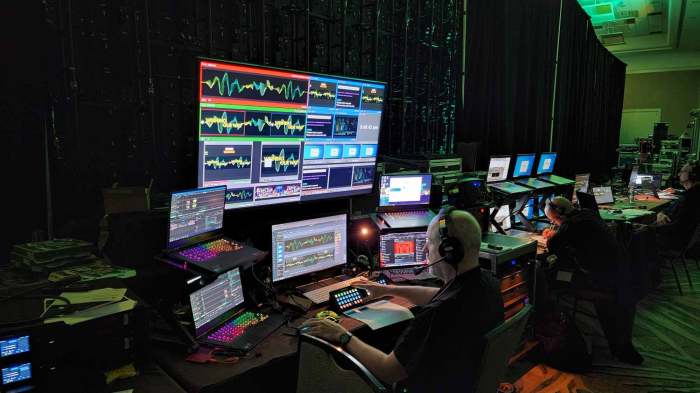
Hybrid meetings are rapidly evolving, driven by the need for flexibility and efficiency in a distributed workforce. Emerging technologies are shaping the future of these gatherings, promising more immersive and productive experiences. These advancements aim to bridge the gap between in-person and remote participants, fostering a more engaging and collaborative environment.
AI and Machine Learning in Hybrid Meetings
AI and machine learning are poised to revolutionize hybrid meetings. Intelligent features can automate tasks like scheduling, transcription, and summarization. AI-powered tools can analyze meeting content to identify key takeaways, action items, and areas for improvement, enhancing the overall meeting effectiveness. Natural language processing (NLP) can translate conversations in real time, facilitating communication across diverse linguistic backgrounds. Moreover, AI can personalize the meeting experience for each participant by adapting the interface and content delivery to their specific needs and preferences. Examples of such features include automatically generating personalized meeting agendas based on past participation and proactively suggesting relevant documents or resources.
Immersive Technologies: VR and AR
Immersive technologies like virtual reality (VR) and augmented reality (AR) are increasingly integrated into hybrid meeting spaces. VR can create virtual meeting rooms that replicate the experience of being in a physical space, enabling participants to interact with each other more engagingly. AR can overlay digital information onto the real world, allowing participants to visualize data, share interactive presentations, and collaborate on shared 3D models. This technology has the potential to enhance engagement and collaboration significantly by creating a more shared and immersive experience. For example, a remote employee can virtually attend a product launch, experiencing the presentation and interacting with colleagues in a simulated conference room. A doctor could use AR to remotely guide a colleague through a surgical procedure, overlaying anatomical information onto the patient’s body in real time.
Future Tools and Features
Several tools and features are emerging that could significantly improve hybrid meeting experiences. These include:
- Real-time collaborative whiteboarding platforms: These platforms will offer more interactive and dynamic ways for remote teams to collaborate on documents and ideas. This can involve features like real-time annotations, shared drawing canvases, and collaborative editing, which can be very helpful in design sessions or brainstorming sessions.
- AI-powered meeting summarization and action item identification: Automated summaries and action item extraction will save time and improve follow-up. This can be especially useful in large meetings where it can be challenging to track and remember all the action items.
- Personalized meeting experiences: This involves tailoring the meeting interface, content, and even the environment to each participant’s needs and preferences, making meetings more productive and enjoyable.
Future Technologies with Potential Applications
The integration of various technologies into hybrid meetings promises further improvements in efficiency and effectiveness. Some examples include:
| Technology | Potential Application | Potential Benefits | Potential Drawbacks |
|---|---|---|---|
| Haptic feedback devices | Providing tactile sensations in virtual environments, enhancing the feeling of presence and engagement | Improved user immersion and greater interaction with virtual objects | Potential for discomfort or nausea if not used properly |
| Brain-computer interfaces (BCIs) | Enabling real-time communication and collaboration through thought-based interactions | Highly intuitive and direct interaction, potential for faster decision-making | Technological immaturity, ethical concerns about privacy, and misuse |
| Virtual/augmented reality avatars | Creating more engaging and personalized avatars for virtual meetings, improving the sense of presence | Increased engagement and interaction, personalized meeting experiences | Potential for discomfort or distraction, reliance on robust internet connections |
Closing Notes
In summary, technology for hybrid meetings offers a dynamic and adaptable approach to communication and collaboration. By understanding the diverse technologies, strategies for engagement, and potential challenges, organizations can optimize their hybrid meeting experiences. The evolving landscape of hybrid meetings requires a proactive approach to planning, technology selection, and fostering a sense of inclusivity among all participants. As technology advances, hybrid meetings will undoubtedly continue to shape the future of work, offering new opportunities for connection and collaboration across geographical boundaries.