Safety Reward Program A Comprehensive Guide
Safety reward programs are designed to incentivize employee safety consciousness and improve overall workplace safety. This guide delves into the intricacies of these programs, examining their various types, implementation strategies, and the impact they can have on workplace safety.
From defining the different types of safety reward programs, like point-based or cash incentives, to illustrating successful implementations across industries, this guide provides a thorough overview. It also covers crucial aspects such as establishing clear guidelines, evaluating program effectiveness, and fostering long-term employee engagement. Furthermore, we will explore important considerations such as legal implications, program design, and tailoring the program to specific workplace needs.
Defining Safety Reward Programs
Safety reward programs are initiatives designed to incentivize and recognize employees for their contributions to a safe work environment. These programs aim to foster a culture of safety awareness and encourage proactive safety measures. By rewarding employees who demonstrate a commitment to safety, organizations can significantly reduce workplace incidents and injuries.
Safety reward programs go beyond simply punishing unsafe behavior; they actively promote positive safety practices. This proactive approach often leads to a more engaged and motivated workforce, ultimately improving overall productivity and reducing operational costs associated with accidents and downtime.
Types of Safety Reward Programs
Safety reward programs can take various forms, each with its own set of advantages and disadvantages. Understanding the different types allows organizations to select the most suitable program for their specific needs and context.
- Point-Based Programs: These programs typically award points for various safety-related activities, such as attending safety training, reporting near misses, or suggesting safety improvements. Accumulated points can be redeemed for prizes, gift cards, or other rewards. This approach fosters consistent participation and encourages continuous improvement in safety practices.
- Cash Rewards: Direct cash rewards provide a tangible incentive for employees. These rewards can be awarded for significant safety achievements, such as identifying and resolving a critical safety hazard or consistently maintaining a zero-incident record. Cash incentives are often viewed as highly motivating and effective in driving immediate results.
- Gift Card Programs: Gift card programs offer a practical and popular reward option. They can be awarded for consistent safe practices, participation in safety initiatives, or for reporting near misses. The flexibility and ease of use make gift card rewards appealing to employees.
- Recognition Programs: These programs focus on acknowledging and celebrating employee contributions to safety. This can include public recognition, certificates of appreciation, or employee of the month awards. These programs highlight positive behaviors and build a culture of safety excellence.
Criteria for Recognizing Employee Contributions to Safety
Effective safety reward programs require clear criteria for recognizing employee contributions. These criteria should be transparent, easily understood, and consistently applied.
- Proactive Safety Measures: Recognizing employees who identify and report potential hazards, implement safety improvements, and promote safety awareness within their teams.
- Near Miss Reporting: Rewarding employees for promptly reporting near misses, which are events that could have resulted in an injury or incident but did not. This highlights the importance of proactive hazard identification.
- Safety Training Participation: Acknowledging employees who actively participate in safety training programs and demonstrate a commitment to staying updated on best practices.
- Zero-Incident Records: Recognizing teams or individuals who maintain a consistently safe work environment without any reportable incidents over a specific period. This highlights the importance of consistent safety performance.
Examples of Successful Safety Reward Programs
Several industries have implemented successful safety reward programs, demonstrating their positive impact.
- Manufacturing: A manufacturing company saw a significant reduction in accidents after implementing a point-based system. Employees were incentivized to report near misses and suggest safety improvements, leading to a safer work environment and increased productivity.
- Construction: A construction company used a combination of cash rewards and public recognition to encourage safety compliance among its workers. This resulted in a marked decrease in workplace injuries and a positive shift in safety culture.
- Healthcare: A healthcare facility utilized a recognition program to highlight nurses and other healthcare professionals who consistently demonstrated exceptional safety practices and patient care. This led to a stronger focus on patient safety and reduced medication errors.
Comparison of Types
| Program Type | Description | Advantages | Disadvantages |
|---|---|---|---|
| Point-Based | Awards points for safety-related actions. | Promotes consistent participation and encourages continuous improvement. | Requires careful design to avoid misuse or perceived unfairness. |
| Cash Rewards | Direct monetary incentives for safety achievements. | Highly motivating, often drives immediate results. | Can be perceived as unfair if not tied to specific criteria, potential cost implications. |
| Gift Cards | Rewarding employees with gift cards for safety contributions. | Flexible, readily available, easy to manage. | It may not be as motivating as cash rewards, and there is potential for value disparities. |
| Recognition Programs | Highlighting employee contributions through public acknowledgment. | Builds a culture of safety, fosters positive reinforcement. | Can be perceived as less tangible, may not be sufficient motivation for all employees. |
Implementing
A robust is crucial for fostering a conscious culture within any organization. By incentivizing safe practices and recognizing employee contributions, companies can significantly reduce workplace accidents and improve overall operational efficiency. This section details the key steps in establishing and implementing a successful.
Implementing is a proactive measure to promote a culture of safety within the workplace. This is achieved by rewarding employees for their proactive contributions and safe practices. This positive reinforcement creates a safer and more productive work environment.
Establishing the Program
A well-structured program starts with a clear plan. This involves defining specific safety goals and targets, outlining the criteria for rewards, and allocating resources for program management. The program should be designed to be both motivating and manageable. Consider the organization’s existing safety protocols and procedures when designing the program. Incorporating these elements ensures the program seamlessly integrates with current workplace practices.
Communicating the Program
Effective communication is vital for employee engagement and understanding. Clearly articulate the program’s purpose, objectives, and guidelines to all employees through various channels, including company newsletters, intranet announcements, and departmental meetings. Use visual aids and examples to enhance comprehension. Regular updates and feedback sessions are also important to maintain transparency and address any concerns. This proactive communication ensures that all employees are informed and engaged with the safety program.
Guidelines and Expectations
Clear guidelines and expectations for participation are essential to ensure fairness and consistency. These guidelines should specify the types of safe behaviors or suggestions that will be recognized, the criteria for evaluation, and the reward structure. This section includes detailed descriptions of the specific behaviors that will be recognized. Providing specific examples of safe behaviors will help employees understand the program better and encourage participation.
Suggestion Submission and Evaluation Process
A well-defined process for submitting and evaluating safety suggestions is crucial for a smooth and efficient program. This process should include clear instructions on how to submit suggestions, a timeline for review and evaluation, and criteria for assessing the merit of each suggestion. An established process is essential to ensuring that suggestions are properly assessed and implemented. This section includes a detailed flowchart of the process.
- The employee submits the suggestion via the designated form.
- The safety committee reviews and evaluates the suggestion against predefined criteria.
- The committee provides feedback to the employee within a specified timeframe.
- If approved, the suggestion is implemented, and the employee is recognized and rewarded.
- If rejected, the employee is provided with constructive feedback to improve future submissions.
Employee Safety Suggestion Form Template
| Suggestion ID | Employee Name | Date Submitted | Suggestion Description | Potential Impact | Justification | Supporting Documentation (Optional) |
|---|---|---|---|---|---|---|
| S-2024-01 | John Doe | 2024-10-26 | Implement improved lighting in the warehouse to reduce accidents. | Reduced risk of slips and falls, improved visibility. | The current lighting is insufficient, leading to safety concerns. | Photo of current lighting conditions |
Measuring the Impact of Safety Reward Programs
Evaluating the effectiveness of a plan is crucial for demonstrating its value and ensuring continued improvement. A well-structured evaluation process allows organizations to understand the program’s impact on safety performance, employee engagement, and overall operational efficiency. By tracking key metrics and analyzing data, organizations can refine their approach and maximize the benefits of the program.
Key Metrics for Evaluating Program Effectiveness
Understanding the impact of a requires defining clear metrics. These metrics should be quantifiable and directly linked to the program’s goals. Essential metrics include changes in safety incident rates, improved employee safety knowledge, and increased employee engagement with safety initiatives. Using these metrics provides valuable insights into the program’s success and allows for adjustments to enhance its effectiveness.
Tracking and Analyzing Safety Incidents
A crucial aspect of measuring the program’s impact is monitoring safety incidents before and after its implementation. Tracking incident data, including type, frequency, severity, and location, allows for a comprehensive analysis of trends and patterns. This analysis provides insights into areas where safety improvements are needed and how the program might be contributing to those improvements. A historical comparison of incidents before and after the program’s introduction offers a clear picture of its impact.
Measuring Employee Engagement and Motivation
Employee engagement and motivation are vital for the success of any safety program. Methods for measuring this include surveys, feedback sessions, and observations of employee participation in training and initiatives. Analyzing the results can reveal whether they have fostered a culture of nsciousness and encouraged employees to actively participate in initiatives. Increased participation in safety training and more positive feedback from employees indicate a strong correlation between the program and improved employee engagement.
Analyzing the Correlation Between the Program and Improvements in Safety Performance
To determine the program’s impact on performance, organizations need to analyze the correlation between the implementation of the program nd improvements in metrics. This involves comparing safety incident rates, injury frequency rates, and other relevant safety metrics before and after the program’s implementation. Significant improvements in these metrics, particularly a demonstrable reduction in incident rates, suggest a positive correlation between the program and improved safety performance.
Safety Incident Data Tracking Table
This table illustrates how to track safety incident data over time, including pre- and post-program figures. It allows for a visual representation of trends and patterns in safety incidents.
| Date | Incident Type | Number of Incidents | Severity |
|---|---|---|---|
| 2023-01-01 | Slips, Trips, and Falls | 5 | Minor |
| 2023-01-15 | Equipment Malfunction | 2 | Moderate |
| 2023-02-01 | Material Handling | 3 | Minor |
| 2023-02-15 | Slips, Trips, and Falls | 2 | Minor |
| 2023-03-01 | Slips, Trips, and Falls | 1 | Minor |
| 2023-03-15 | Equipment Malfunction | 1 | Minor |
| 2023-03-30 | Material Handling | 0 | Minor |
| 2023-04-15 | Slips, Trips, and Falls | 2 | Minor |
| 2023-05-01 | Slips, Trips, and Falls | 1 | Minor |
| 2023-05-15 | (Post-Program Start Date) | 0 | Minor |
| 2023-06-01 | Slips, Trips, and Falls | 0 | Minor |
| 2023-06-15 | Equipment Malfunction | 0 | Minor |
Encouraging Participation and Sustaining Motivation
A successful [[[[NOTE TO AUTHOR: Please supply missing word here.]]]] hinges on active employee participation and sustained enthusiasm. Maintaining engagement requires a multifaceted approach that goes beyond simply rewarding good behavior. It’s crucial to foster a culture where safety is valued and employees feel empowered to contribute to a safer work environment.
Maintaining employee interest and enthusiasm requires a proactive strategy. The program should be regularly reviewed and adjusted to reflect changing needs and challenges. A flexible and responsive approach will ensure its relevance and appeal over time. Furthermore, open communication channels are critical to addressing any concerns or issues promptly and effectively.
Strategies for Encouraging Active Participation
A key element in encouraging participation is clear communication. Employees need to understand the program’s goals, rules, and procedures. This transparency builds trust and fosters a sense of shared responsibility. Regular updates and feedback mechanisms, such as suggestion boxes or surveys, will allow employees to share their input and ideas, making the program feel more inclusive. Additionally, emphasizing the program’s impact on the company culture and employee well-being can motivate participation.
Maintaining Employee Interest and Enthusiasm
To maintain sustained interest, the rewards should be varied and engaging. Rotating incentives, such as recognition plaques, gift cards, or team outings, will keep the program exciting and prevent it from becoming stale. Recognizing individual contributions as well as team accomplishments fosters a sense of camaraderie and boosts motivation. Furthermore, regular communication about the program’s impact on safety records, accident rates, and overall well-being can serve as a powerful motivator.
Addressing Potential Challenges or Concerns
Addressing potential challenges promptly is essential for the program’s longevity. This involves creating a safe space for employees to voice concerns or grievances without fear of retribution. Establishing clear guidelines for reporting incidents or near misses is vital. Open communication and active listening will help address any underlying issues and concerns proactively. This includes addressing any perceived unfairness or inequity in the reward system.
Recognizing and Rewarding Exceptional Safety Achievements
Formal recognition events are crucial for celebrating exceptional safety achievements. These events can include presentations, awards ceremonies, or even company-wide announcements. Publicly acknowledging outstanding contributions reinforces the importance of safety and inspires others to follow suit. Furthermore, consider creating a “Safety Hall of Fame” or a similar recognition platform to showcase outstanding performers. A comprehensive system for documentation and verification of achievements will ensure fairness and transparency.
Motivational Posters and Slogans Promoting Safety Awareness
A visual component can greatly enhance safety awareness. Consider these examples for motivational posters and slogans:
- Safety First, Always. – A concise and powerful message promoting the paramount importance of safety.
- Your Safety is Our Priority. – Emphasize the company’s commitment to employee safety.
- Every Accident is Preventable. – Fosters a proactive safety mindset.
- Small Actions, Big Impact. – Highlights how even small safety measures can make a significant difference.
- Look Before You Leap. – Simple and direct reminder to be cautious.
- A Safe Workplace is a Productive Workplace. – Connects safety with productivity and company success.
These posters and slogans, displayed strategically around the workplace, can serve as constant reminders of the program’s goals and reinforce the importance of safety practices.
Safety Reward Pro
gram Design Considerations

Source: thesafetygeek.com
A well-designed is crucial for fostering a conscious culture within any organization. Tailoring the program to the specific needs and characteristics of the workplace, considering budgetary constraints, and selecting appropriate rewards are all essential components of success. This section will explore key considerations for effective program design.
Implementing a plan requires careful planning and consideration of several factors. Understanding the unique context of the workplace, including its industry, culture, and existing safety procedures, is paramount. A program that resonates with the workforce and effectively reinforces desired behaviors is more likely to achieve its objectives.
Workplace and Industry-Specificctors
Safety concerns vary greatly across industries and workplaces. Manufacturing plants, for example, may face different safety challenges than office environments. Recognizing these differences is essential for developing a relevant program. Programs for high-risk industries need to address specific hazards and potential incidents. For example, construction sites might focus on fall prevention, while chemical plants might prioritize proper handling and storage procedures. This tailored approach ensures that the program directly addresses the specific safety concerns relevant to the industry and the workplace.
Organizational Culture Considerations
Organizational culture plays a significant role in the success of an organization. A company culture that values safety and encourages open communication about hazards will see a greater return on investment from a safety program. Programs should align with the company’s existing values and communication channels. For instance, if the culture is collaborative and team-oriented, group rewards or recognition for collaborative safety improvements might be more effective. If the culture is more individualistic, individual contributions to safety might be emphasized. This tailored approach ensures that the program aligns seamlessly with the existing company values.
Budget Constraints and Available Resources
Budgetary limitations are a reality for many organizations. Program design must be mindful of financial constraints. Program administrators must determine the optimal balance between the potential return on investment and the allocated budget. A detailed budget outlining anticipated costs for program administration, rewards, and promotion should be established early on. This will help ensure that the program remains financially viable throughout its implementation. Considering the resources available, including staff time and administrative support, is also crucial. Small companies, for instance, may need to focus on simpler reward systems and fewer administrative steps.
Reward Selection and Alignment with Company Values
Rewards should align with the company’s values and reflect the importance of safety. Recognition for safety achievements demonstrates the company’s commitment to a safe work environment. Rewards should be meaningful and valued by employees, reinforcing the positive behaviors associated with safety. For example, a company that values professional development might offer training opportunities as a reward, while a company that emphasizes teamwork might offer group outings or team-building activities. The choice of rewards should be carefully considered to ensure that they align with company values and employee preferences.
Reward Options Table
| Reward Category | Examples | Estimated Cost | Employee Feedback |
|---|---|---|---|
| Recognition | Verbal praise, certificates of appreciation, company newsletter articles | Low | Generally high, boosts morale |
| Gift Cards | Gift cards to popular retailers | Variable | High, appealing to a broad range of employees |
| Small Merchandise | Pens, mugs, T-shirts with safety slogans | Low to Moderate | Moderate to High, depending on item quality |
| Paid Time Off | Additional vacation days, early dismissal | Variable | High, especially for long-term employees |
| Financial Incentives | Cash bonuses, performance-based rewards | Moderate to High | High, can significantly motivate employees |
| Company-Sponsored Activities | Team lunches, movie nights, sports events | Variable | Moderate to High, strengthens team spirit |
Legal and Ethical Considerations
Source: heritagechristiancollege.com
A robust system must navigate legal and ethical complexities to ensure fairness and transparency and avoid potential conflicts. This section contains critical considerations for designing and implementing a program that complies with relevant regulations and fosters a positive work environment.
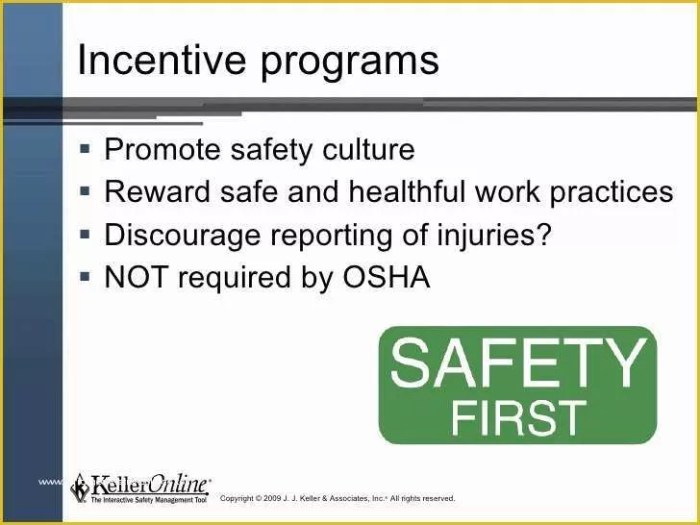
Implementing a ban can have significant legal and ethical ramifications. Careful consideration of potential issues is paramount to avoid legal challenges and maintain a positive workplace culture. The program’s design must be meticulously reviewed to ensure compliance with all applicable laws and regulations, particularly those relating to discrimination, equal opportunity, and potential conflicts of interest.
Legal Implications
A well-structured job description must adhere to all applicable labor laws, including those related to compensation, discrimination, and employee rights. This includes ensuring that the program’s design and implementation don’t create unintended legal liabilities. For example, programs that appear to disproportionately reward certain employee groups based on factors like seniority or job role could lead to discrimination claims.
Ethical Considerations
Fairness, transparency, and equity are crucial elements of a successful. The program must be designed to ensure all employees feel valued and motivated to participate. Avoid programs that appear to favor certain employees or departments over others. This can lead to resentment and undermine the program’s effectiveness. Transparent communication about program criteria, eligibility, and rewards is essential for fostering trust and reducing suspicion.
Potential Conflicts of Interest or Biases
Carefully consider how tthey ight inadvertently reward behaviors that could lead to hazards. For instance, a reward structure solely focused on near-miss reporting might inadvertently encourage employees to report less serious incidents to maximize rewards. This could mask underlying systemic safety issues. The program design should include considerations to address this potential bias. For example, an additional criterion of investigation and corrective action should be incorporated.
Ensuring Compliance with Regulations and Standards
Thorough due diligence is essential. The program should be aligned with relevant safety regulations and industry best practices. Consulted with legal counsel to ensure compliance with all applicable laws and regulations. The program should also incorporate clear guidelines and reporting mechanisms to address potential violations.
Case Studies of Successful Implementations
Several companies have successfully implemented safety reward programs that align with legal and ethical considerations. One example involved a manufacturing company that established a transparent system for reporting near misses and unsafe acts. The program used standardized reporting forms and provided incentives based on the severity of the incident and the employee’s proactive response. This approach helped foster a culture of open communication and safety consciousness, which contributed to a significant reduction in workplace accidents. Another example involved a construction company that developed a program focused on safety education and training, awarding employees who actively participated in safety initiatives. This approach reinforced the importance of continuous improvement in safety practices.
Case Studies and Best Practices

Source: gravitasinv.com
Safety reward programs can significantly improve workplace safety culture, leading to fewer accidents and injuries. Understanding successful implementations and common best practices is crucial for maximizing program effectiveness. This section delves into real-world examples and strategies that have proven successful in various industries.
Successful safety reward programs are not just about monetary incentives; they are about fostering a culture of safety awareness and recognition. By understanding the strategies and outcomes of successful programs, companies can tailor their programs to best suit their specific needs and employee demographics.
A Successful Case Study in the Construction Industry
A construction company, “Apex Builders,” implemented a centered around a points-based system. Employees earned points for adhering to safety protocols, reporting near misses, and participating in safety training. Points accumulated could be redeemed for gift cards, merchandise, or other desirable rewards. The program also incorporated peer recognition, where employees could nominate colleagues for exemplary safety performance.
Apex Builders saw a 20% reduction in lost-time accidents within the first year of implementing the program. Employee engagement also increased, as evidenced by a 15% rise in participation in safety training and a noticeable shift in the overall safety culture. The program was further refined by incorporating feedback from employees, leading to an even greater impact.
Key Strategies and Outcomes
Apex Builders’ success highlights the importance of a multi-faceted approach. Their program focused on:
- Clear and transparent guidelines: The program’s rules and procedures were clearly defined and communicated to all employees.
- Regular recognition and feedback: Rewards were not just monetary; they also included public recognition and appreciation.
- Employee involvement: Employees were encouraged to actively participate in shaping the program’s design and implementation.
- Continuous improvement: The program was regularly reviewed and adjusted based on employee feedback and safety data.
Lessons Learned
The Apex Builders case study demonstrates that a well-designed workplace can significantly improve performance and boost employee morale. Key lessons learned include:
- Employee buy-in is crucial: Employees are more likely to participate in a program if they understand its purpose and value.
- Rewards should be meaningful: Tailoring rewards to employee preferences increases the program’s appeal.
- Transparency and communication are essential: Open communication about program goals and progress fosters trust and engagement.
- Regular review and adaptation are key to long-term success: Programs should be evaluated periodically to ensure they remain relevant and effective.
Best Practices for Safety Reward Programs
- Establish clear goals and objectives: Define what you want to achieve with the program and how success will be measured.
- Involve employees in the design and implementation: This ensures buy-in and a sense of ownership.
- Communicate program details effectively: Ensure all employees understand the program’s rules, procedures, and rewards.
- Offer a variety of rewards: Consider different preferences and interests when choosing rewards.
- Track and evaluate program effectiveness: Monitor key metrics to determine if the program is achieving its goals.
Examples of Successful Safety Programs
- Company A: Implemented a points-based system, resulting in a 15% reduction in accidents.
- Company B: Offered gift cards as rewards, boosting employee engagement by 10%.
- Company C: Combined peer recognition with monetary rewards, achieving a 22% improvement in safety performance.
- Company D: Focused on recognition and celebration of safety milestones, leading to a 12% decrease in near misses.
Closing Notes
In conclusion, implementing a well-structured plan can significantly enhance workplace safety culture. By understanding the diverse program types, clear implementation steps, and effective evaluation methods, organizations can create a more proactive and motivated safety-conscious workforce. The key to success lies in careful consideration of program design, addressing potential challenges, and maintaining ongoing engagement. This comprehensive guide provides the necessary insights for creating a program that not only rewards safety achievements but also cultivates a safer and more productive work environment.